


WHO WE ARE
At Anima Counseling & Wellness, our mission is to help individuals reconnect with the deepest parts of themselves through compassionate, evidence-based, and integrative care. We create a space where insight, emotion, and embodied awareness can meet—where clients learn to breathe again, heal old wounds, and move toward a life defined not by fear, but by authenticity, connection, and inner resonance.

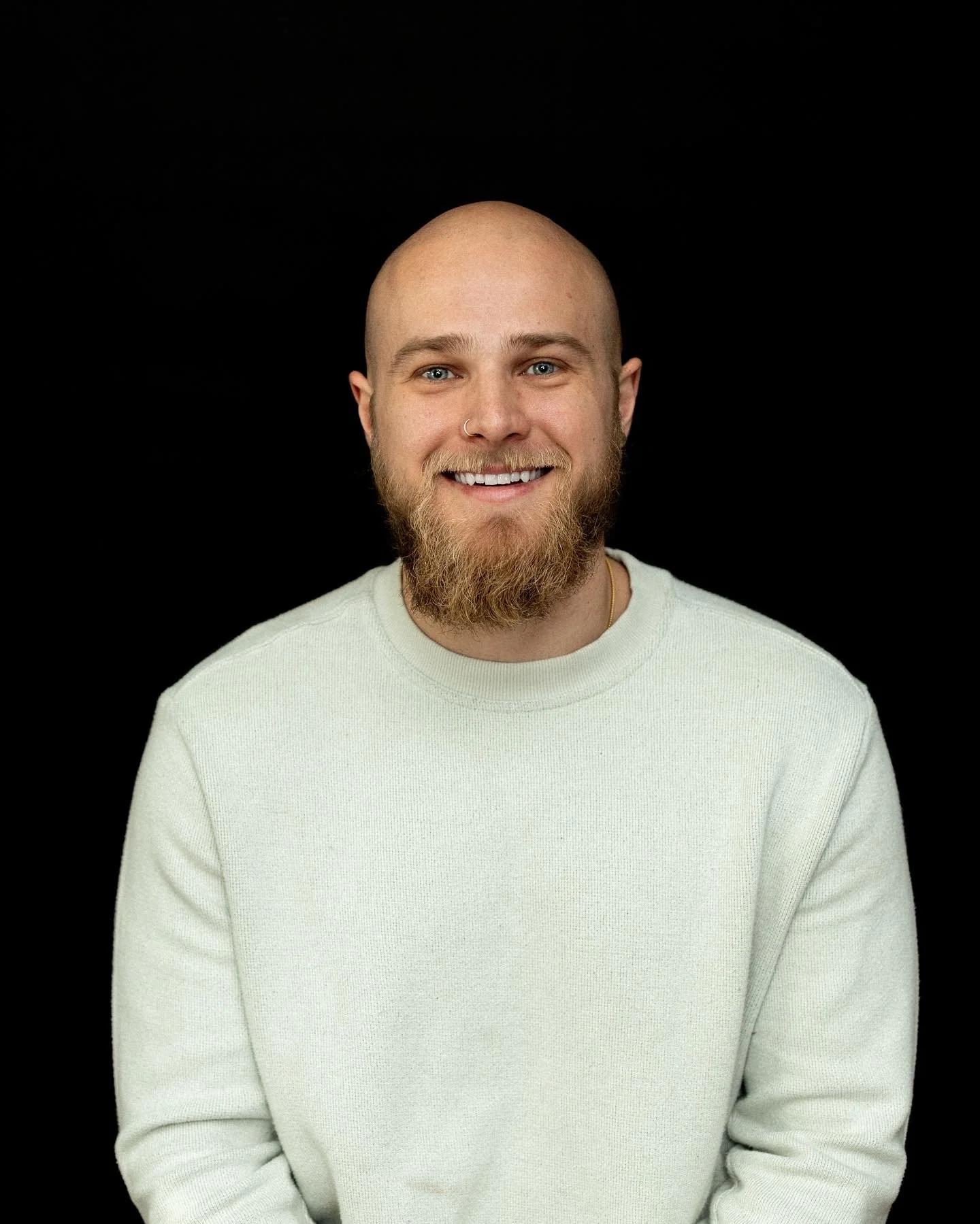
I want you to know a little about me.
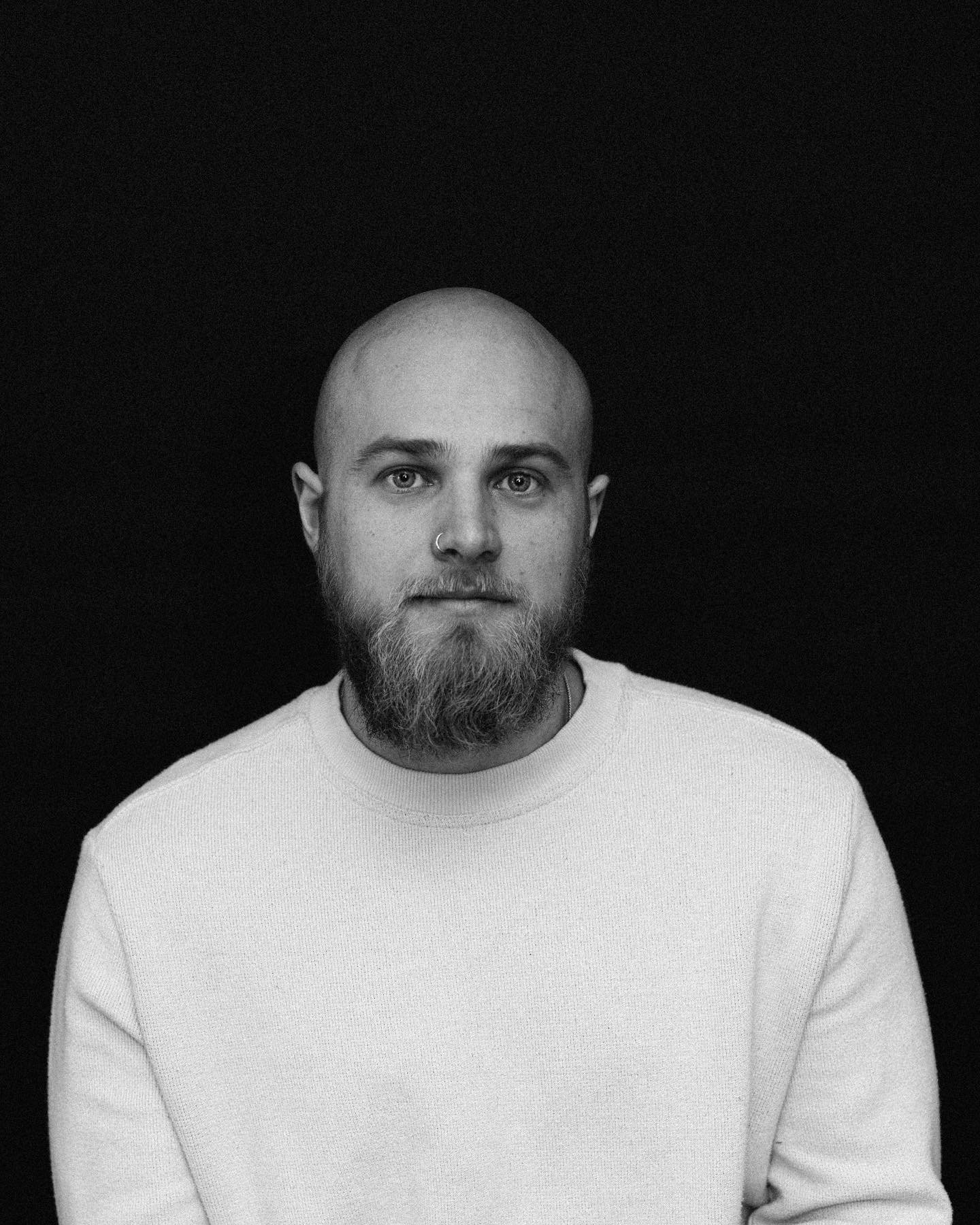
I’m James Balserak, a Licensed Master Social Worker (LMSW) and therapist currently working toward independent clinical licensure under the supervision of an LCSW.
My clinical experience has taken me through community mental health, substance use treatment, and intensive outpatient and partial hospitalization programs, where I have worked with adolescents and adults experiencing a wide range of mental health concerns. These settings have given me particular experience working with trauma, anxiety and depression, grief and loss, substance use and recovery, identity and relationship concerns, emotional dysregulation, and periods of significant life transition.
I began my clinical training with the Association of Infant Mental Health in Tennessee, where I earned an Infant and Early Childhood Mental Health Endorsement (IECMH-E®) and received additional training in Healthy Outcomes from Positive Experiences (HOPE) and the Facilitating Attuned Interactions (FAN) approach. That early work continues to influence how I think about attachment, development, relationships, and the ways our earliest experiences can shape how we understand ourselves and other people.
I completed my Master of Social Work at the University of Denver Graduate School of Social Work and completed clinical training in community mental health at Health Connect America. My subsequent work has included substance use and co-occurring mental health treatment at Nashville Treatment Solutions and ProVive Wellness, as well as several years of intensive outpatient work at Charlie Health, where I currently serve as an Associate Primary Therapist.
Working across these different levels of care has also taught me something important: good therapy requires knowing both what you know and what you don’t. I take assessment, consultation, collaboration with other providers, and appropriate referral seriously. When a concern falls outside my competency or requires a different level of care, my responsibility is not to pretend otherwise—it is to help identify the appropriate next step.
Outside the therapy office, I write, record, and perform music, spend probably too much time thinking about psychology, philosophy, spirituality, and consciousness, go surf-fishing whenever I can, backpack with my rescue dog Mira, and travel whenever life allows.
My Approach and Philosophy
I’m most interested in therapy that goes beyond simply reducing symptoms.
Symptoms matter, and sometimes stabilization is exactly where therapy needs to begin. But I also want to understand what is happening underneath them: how you learned to relate to yourself, what happens when you experience difficult emotions, how relationships have shaped you, what you avoid and why, what gives your life meaning, and which parts of yourself may have been pushed aside in order to survive or belong.
My approach is primarily relational, experiential, trauma-informed, and existential. Depending on the person and the goals of treatment, my work may incorporate principles and interventions from Accelerated Experiential Dynamic Psychotherapy (AEDP), Internal Family Systems-informed work, Cognitive Behavioral Therapy (CBT), Dialectical Behavior Therapy (DBT), Motivational Interviewing, and Solution-Focused Brief Therapy.
I am particularly drawn to longer-term outpatient work involving trauma and adverse experiences, identity development, grief and major life transitions, relationship patterns, emotional avoidance, shame and self-criticism, questions of meaning and purpose, and the process of developing a more integrated understanding of oneself.
Rather than assuming that I already understand your experience, I tend to ask a lot of questions. I want to understand your history, relationships, culture, values, strengths, lifestyle, and worldview before deciding what something means or what might be helpful. You are always welcome to disagree with my interpretation, tell me that a question misses the mark, or ask why I am recommending something.
Therapy should be collaborative enough for us to change course when the evidence suggests we should.
Development, Attachment, and trauma
My background in infant and early childhood mental health has had a lasting influence on my work with people across the lifespan.
Early relationships can shape how we learn to experience safety, regulate emotion, respond to conflict, ask for help, trust other people, and understand ourselves. Those patterns are important, but they are not destiny.
When appropriate, we may explore how earlier experiences continue to show up in present relationships and emotional responses. The goal is not to endlessly analyze the past or blame the people in it. It is to better understand what you learned, what helped you survive then, and whether those same strategies are still serving you now.
My experience in higher-acuity mental health and substance use settings has also made me attentive to stabilization and safety. Depth-oriented therapy works best when we remain grounded in what is actually happening in someone's life and continually assess whether the current treatment approach and level of care remain appropriate.
My Mission
My goal is not to make you dependent on therapy.
I hope our work helps you become increasingly capable of recognizing what is happening inside you, understanding where it comes from, deciding what matters to you, and responding to your life with greater flexibility and intention.
Sometimes that means learning concrete skills. Sometimes it means grieving. Sometimes it means examining an old story about yourself. Sometimes it means recognizing that something you once needed to survive is now getting in your way. And sometimes it means sitting with a question long enough that we stop trying to force an easy answer.
Ideally, therapy eventually becomes something you no longer need—not because life stops being difficult, but because you trust yourself more when difficulty arrives.
Holding you through the thresholds
As I move toward independent outpatient practice, I am especially interested in working with adolescents, transitional-age young adults, and adults who want to understand themselves at a deeper level.
You do not need to arrive with a perfectly defined diagnosis or treatment goal. You might be recovering from difficult experiences, struggling with relationships, trying to understand who you are, confronting a major transition, questioning long-held beliefs about yourself, or simply realizing that the ways you've learned to get through life aren't working as well anymore.
My experience includes working with clients across a broad range of diagnoses and levels of acuity. That experience does not mean every presentation is appropriate for outpatient psychotherapy with me. Determining fit—including whether another clinician, specialty service, medication provider, or higher level of care would better meet your needs—is part of responsible assessment and treatment planning.
*Important Note*
Due to my current licensure status as a Licensed Master of Social Work, I am UNABLE to take private clients outside of my organization of employment, and without receiving direct clinical supervision from an LCSW. The first step I take will be to refer you to my current place of employment so that we can begin working together until I open my private practice in the winter of 2026.